Innovative, interdisciplinary research projects with a focus on Indigenous knowledge.
Each year, we provide seed funding to researchers from all disciplines, delivering novel work addressing an identified need or gap in the field of Indigenous knowledge. Here are our funded projects.
2025 Projects
Indigenising the curriculum: A dialogic exchange between Brazil and Australia
This project aims to develop Indigenous Knowledge pedagogy in business education, demonstrating a novel approach to the challenges facing educators seeking to embed and integrate Indigenous Knowledge into their curriculum. It is led by Prof. Reinaldo Fleuri , Dr Vanessa Sagica, Dr Andy Wear and Dr Mark Jones.

Tati Tati and Iwi sharing knowledge of the importance of water governance to health and wellbeing outcomes
This research takes different Indigenous Knowledge perspectives, to explore how First Nations access, control and ownership of waterways contributes to health and wellbeing outcomes. It is led by Dr Amohia Boulton, Mr Utiku K. Potaka, Ms Ella Reweti, Mr Brendan Kennedy, Dr Sangeetha Chandrashekeran, and Prof. Alex Felson.
Unravelling digital dispossession of Indigenous spatial data on Taungarung country
This project aims to engage with the phenomenon of digital dispossession experienced by Traditional Owners in Australia, to advance Indigenous sovereign standards of practice relating to biocultural knowledge on country. It is led by Dr Katherine Thomas, Mr Daniel Young, Prof. Helen Sullivan, and Dr Serene Ho, in co-design with the Taungurung Land and Waters Council.

Indigenous storytelling and practical wisdom from Lembata to Salatiga
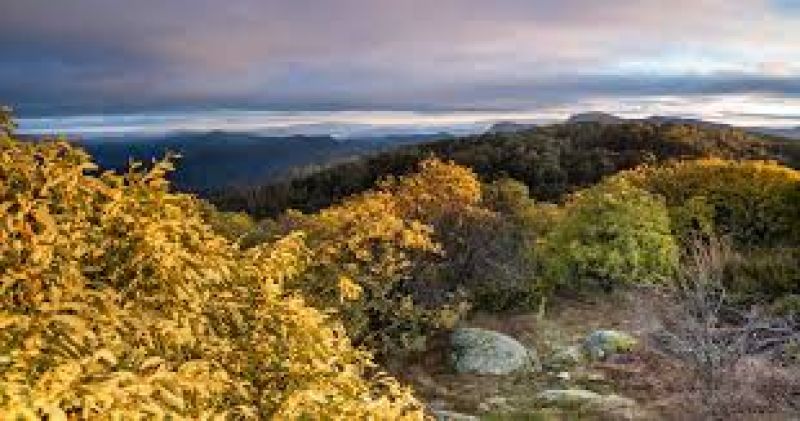
Wabi bandarra muli: Documenting Maric song
Maric songs are not widely documented, with the lines of transmission now disrupted due to the Aboriginals Protection and Restriction of the Sale of Opium Act and subsequent legislation (1897–1970). This project, led by Mr Milton Lawton, Dr Thomas Watson, Dr William Forshaw, and Dr Reuben Brown, aims to record undocumented Maric songs, known by community members, forming a corpus connecting to existing cultural revitalisation work.
The Tambu Symposium
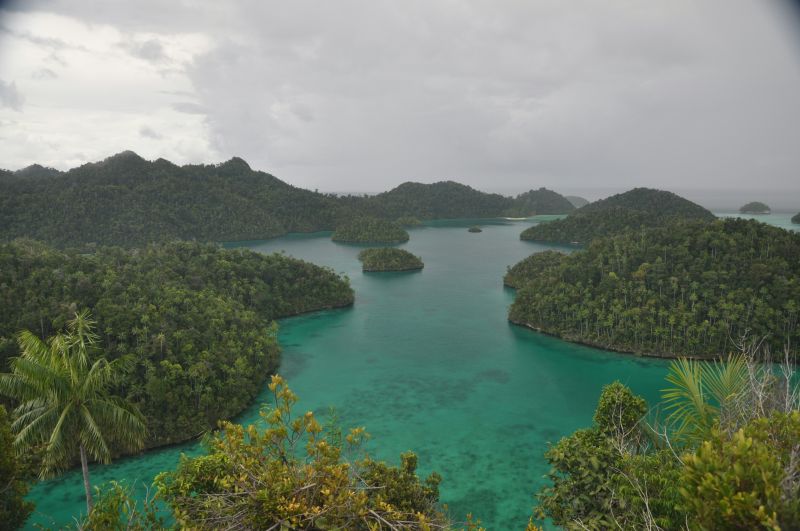
Islands represent a tiny fraction of the Earth’s surface but support disproportionate amounts of biodiversity. Through wide-ranging collaborations, the Tambu Symposium, will bring together Indigenous knowledge-holders from across the East Melanesian Islands Biodiversity Hotspot to advance insights into the status, structure, and efficacy of customary management protocols.
Indigenous Peoples at North Colombia as active, outstanding, peacebuilders
Colombia is a pluricultural and multilingual state. If officially recognises 115 Indigenous peoples and 65 languages that have resisted cultural and physical extinction, despite significant threats from internal armed conflicts. Led by Dr Juan Delgado and Prof. Simon Batterbury, this project aims to understand how Indigenous knowledges have supported the survival of these societies.
First Nations knowledge exchange: Empowering Wurundjeri-led, self-determined relationship formation
To build capacity in growing Indigenous knowledge that resists cultural colonisation, this project, led by Mr Bill Nicholson, engages in knowledge exchange between members of the Wurundjeri community and Indigenous peoples in Canada – where there are stronger foundations for partnerships, treaty-making, and Indigenous self-determined processes.
2024 Projects
Biocultural monitoring of Traditional Owner managed forests
The first research site combining Indigenous-led Forest Gardening and reproducible, scientific ecological monitoring methods, this work expects to demonstrate the social, cultural, environmental and economic benefits of Djaara-led Forest Gardening. Delivered in collaboration with DJAARA, the body that progresses and represents Traditional Owners of Central Victoria, the work is led by Dr Thomas Fairman, Dr Nina Hinko Najera, and A/Prof. Lauren Bennett.
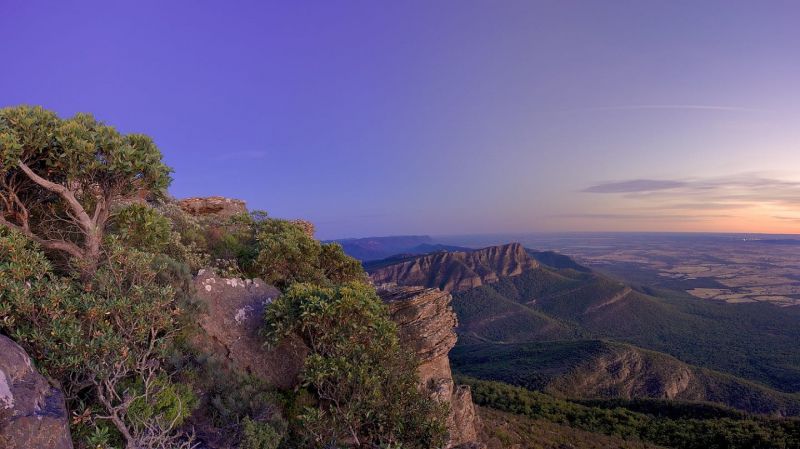
Conserving rock heritage in Gariwerd using machine learning: Proof of concept
To protect Australia’s Aboriginal rock heritage, we first need to understand the extent of damage and decay. This project examines how machine learning can be used to deliver detailed conservations surveys, to better focus conservation work, while gaining hard evidence for advocacy to help protect their rock heritage. Led by Dr Jonathan Kemp, it is delivered in partnership with Parks Victoria and Gariwerd’s Traditional Owners.
Reviving verbs in Dhudhuroa for language learning and teaching
An Aboriginal language of North-East Victoria, Dhudhuroa is no longer spoken or learned as a first language. This work will investigate verb morphology, led by Prof. Rachel Nordlinger, with the aim of enabling people to more easily use verbs and create sentences in Dhudhuroa, building on the work undertaken by Dhudhuroa people and linguists.
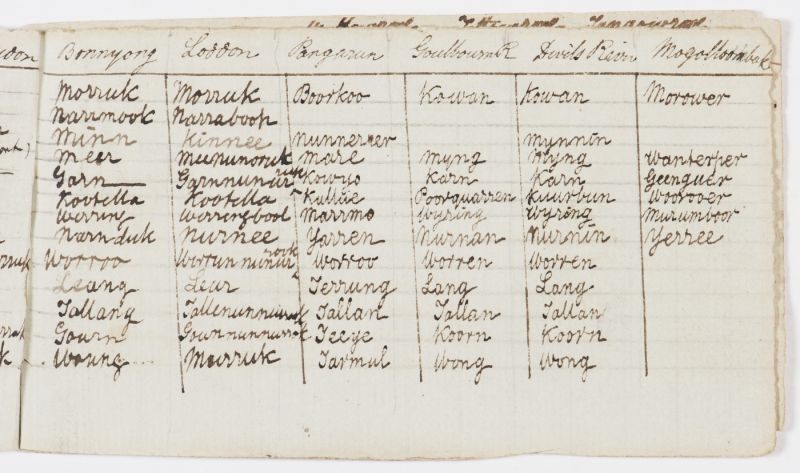
Community access to language
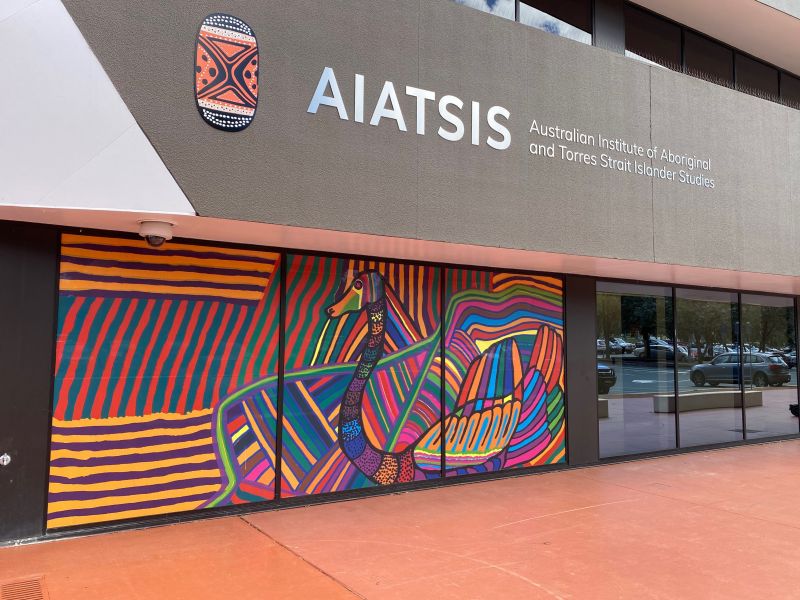
In complex collections held at the Australian Institute for Aboriginal and Torres Strait Islander Studies (AIATSIS) and the National Library of Australia (NLA), a single source can include more than 30 Indigenous languages, many that have not been identified. This project, led by A/Prof. Nick Thieberger and Dr Sophie Lewincamp, brings together a team with the expertise to identify languages within the manuscripts and tools to improve long-term community access.
Dirna arrun (We hold it): Recovering collections for Worrorra dance-song vitality
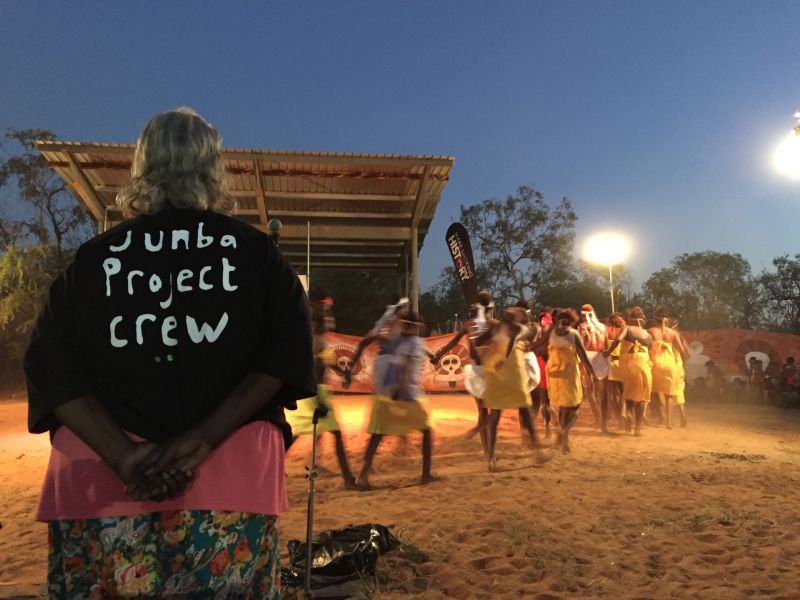
A/Prof. Sally Treloyn and Dr Reuben Brown lead work exploring the contents of recently recovered photography and wax cylinders from the late-1930s and 1960s, documenting the resurgence of the Worrorra dance-song tradition known as Junba. The work will review these archival materials to fill in gaps in knowledge of repertories, and aim to reconstruct the Worrorra dance-songs with choreography for public performance and reentry to the canon.
2023 Projects
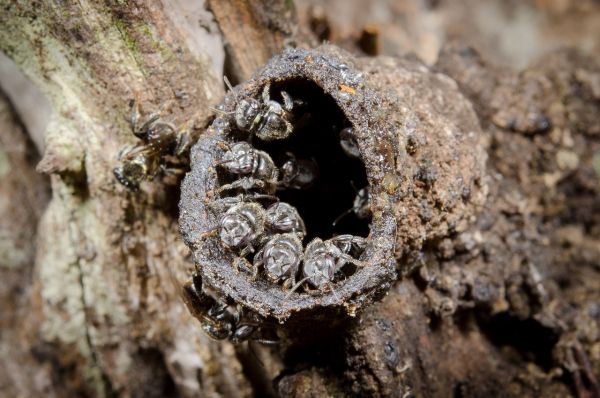
Two-Way Knowledge Sharing for Native Bee Climate Adaptation in Arnhem Land
Professor Margie Mayfield (School of Biosciences) will work with Professor Brian Gumbala (Indigenous Knowledge Institute), Dr Rachele Wilson (University of Queensland), and the Yirralka Rangers in Northeast Arnhem Land to develop a management plan for the conservation of native stingless bees.
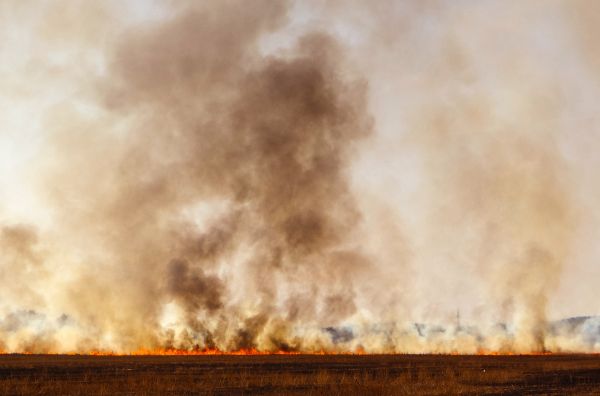
Evidencing Djaara-Led, Djandak Wi (Cultural Firing Practices) For Healthy Djandak (Country)
Dr Margaret Ayre, Dr Stephanie Lavau, and Ms Ella Plumanns Pouton (all Faculty of Science) aim to develop criteria, indicators, and methods to measure the effectiveness of Indigenous-led firing practices in Djandak (Dja Dja Wurrung Country in Victoria, Australia).

Melbourne Graduate School of Education and Laynhapuy Homelands School: A Critical Friendship Approach to Documenting Yolŋu Pedagogy
Associate Professor Jeana Kriewaldt will lead this project with Ms Bern Murphy (both Melbourne Graduate School of Education) and Dr Margaret Ayre (Faculty of Science) to support Yolŋu students to complete their secondary schooling on Country.
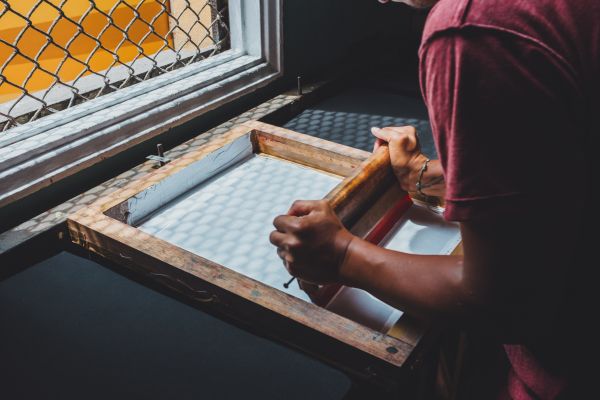
Kupungarri On Country Printmaking Project
Dr Megan McPherson, Mr Tiriki Onus, and Associate Professor Sally Treloyn (all Wilin Centre for Indigenous Arts and Cultural Development) will investigate how women in remote areas develop their art careers and develop new skills to further their careers. The project will have a particular focus on the transmission of intergenerational Indigenous knowledges through artmaking in the remote community of Kupungarri, Western Australia.
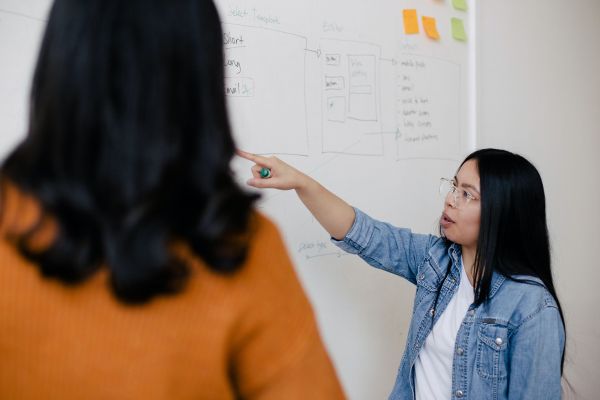
Yolŋu Team Teacher Exchange Program With Yirrkala School
Associate Professor Melitta Hogarth and Ms Bern Murphy (both Melbourne Graduate School of Education) will work with University of Melbourne academics and partnering Melbourne schools to support strategies for Yolŋu teacher education at the Yirrkala school in Northeast Arnhem Land.
Revival and Cultural Renewal of Gunditjmara Seasonal Knowledge
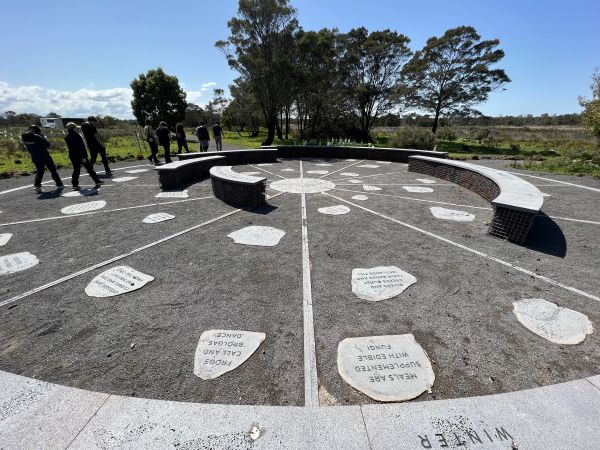
Associate Professor Juliana Prpic, Dr Greg Wadley (both Faculty of Engineering and Information Technology), and Dr Lisa Godinho (Faculty of Science) will lead this project to support the Gunditjmara people in their aspirations to revive and renew traditional seasonal knowledge of Country.
Sustaining Relations Between Makassans and Yolŋu: Remembering Trade and Kinship
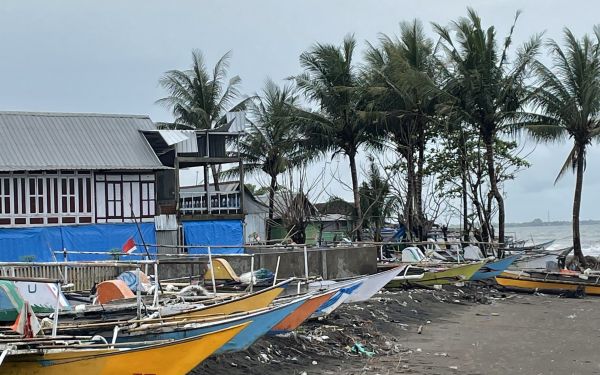
Led by Dr Anthea Skinner (Victorian College of the Arts), this project brings together experts in Indigenous Australian and Indonesian cultures to better understand cultural and trade relations between Yolŋu and Makassan communities from the 1700s until the early 20th century.
2022 Projects
YOYI (Dance)
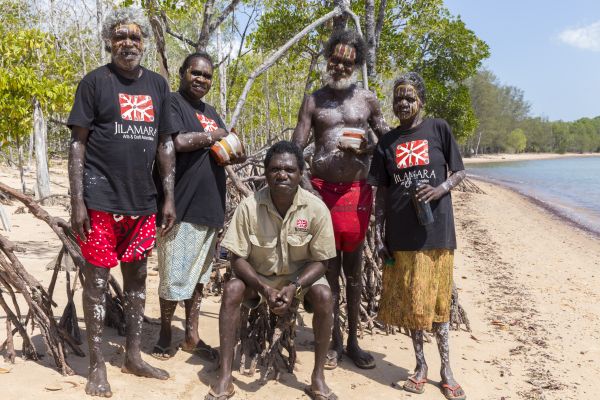
Dr David Sequeira (Faculty of Fine Arts and Music) will work with the Wilin Centre for Indigenous Arts and Cultural Development and Jilamara Arts and Crafts Association in the Tiwi Islands to produce the art exhibition ‘YOYI’. YOYI will comprise 30 bark paintings by emerging, midcareer, and senior artists, and a collaborative multi-channel video installation.
Indigenous knowledges in the criminal “justice” context
Led by Professor Marcia Langton (Melbourne School of Population and Global Health), the project will examine how Indigenous knowledges have been incorporated into the criminal justice system.
Birrarung’s billabongs: understanding their past to better manage them today
Dr Joe Greet (School of Ecosystem and Forest Sciences) will work with the Wurundjeri Woi wurrung Corporation’s Narrap (Country) Unit Rangers and Melbourne Water to develop management plans for priority billabongs along the lower Birrarung (Yarra River).
Social and Emotional Well-Being among Custodians of Australian Indigenous Knowledge
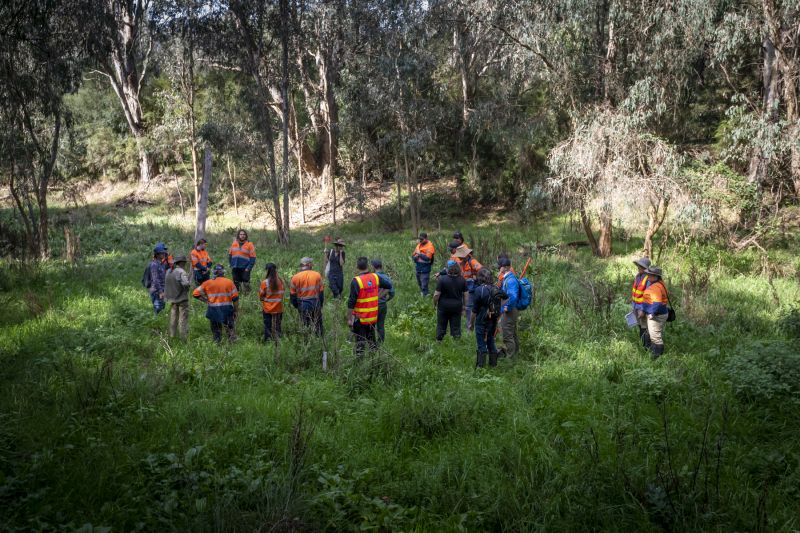
Led by Dr Candice Boyd (School of Geography, Earth and Atmospheric Sciences), the project will explore the social and emotional well-being of Elders and Older People as the holders and transmitters of cultural knowledge.
Revitalising and sharing knowledge through creativity: developing interdisciplinary research practice
Dr Andrea Rawluk will co-lead a project with Darug woman Maddison Miller, Professor Rod Keenan (each School of Ecosystem and Forest Sciences) and Dr Gillian Howell (Faculty of Fine Arts and Music), working with Gunaikurnai Land and Water Aboriginal Corporation and Indigenous actor Leroy Parsons.
2021 Projects
Wagambirra
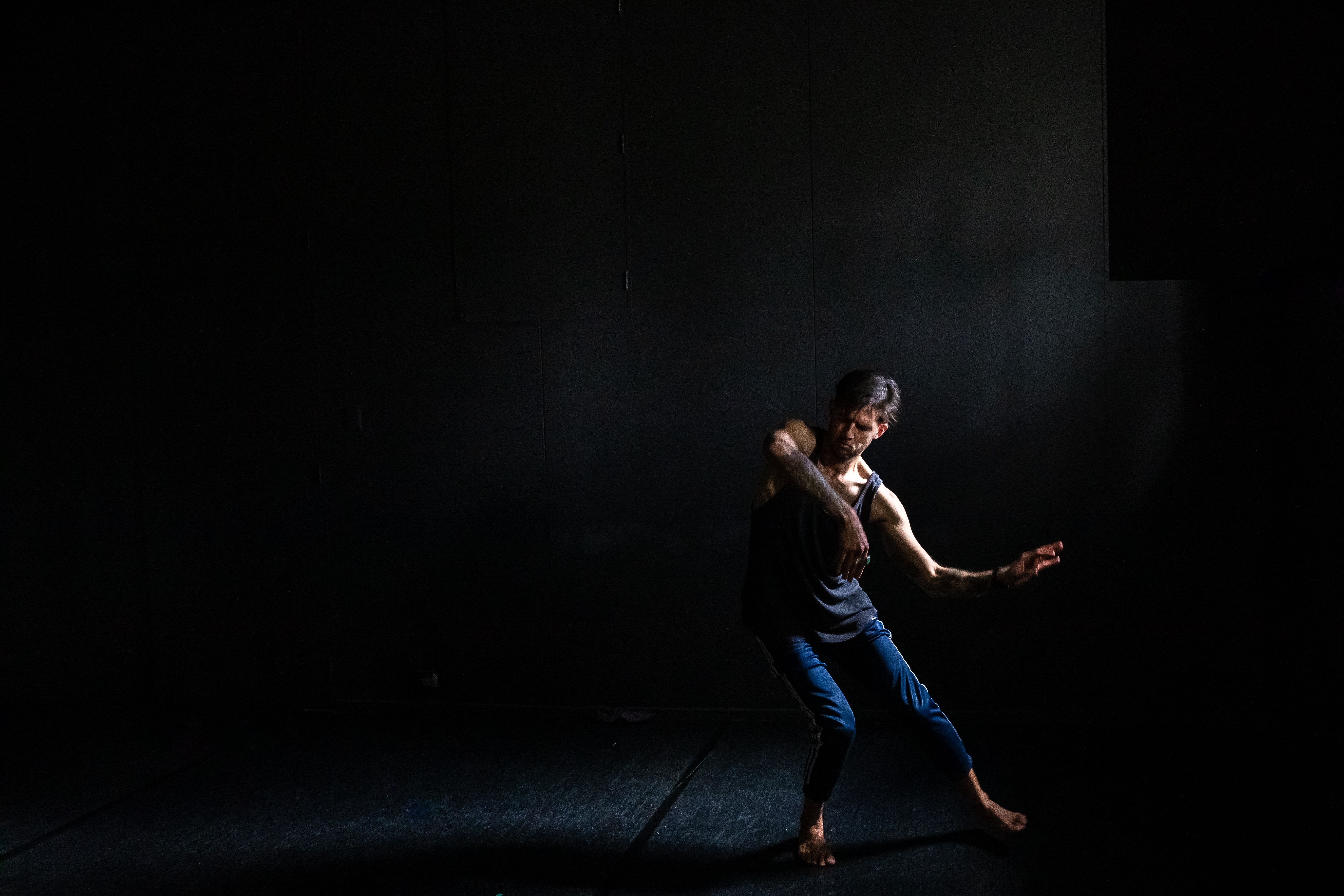
Daniel Riley (Victorian College of the Arts) is an early career Wiradjuri researcher, as well as a highly experienced choreographer and dancer, who will explore the traditional Wiradjuri dance form in partnership with Wiradjuri Elders and communities in Dubbo. The project will assist in documentation and intergenerational transfer of cultural knowledge.
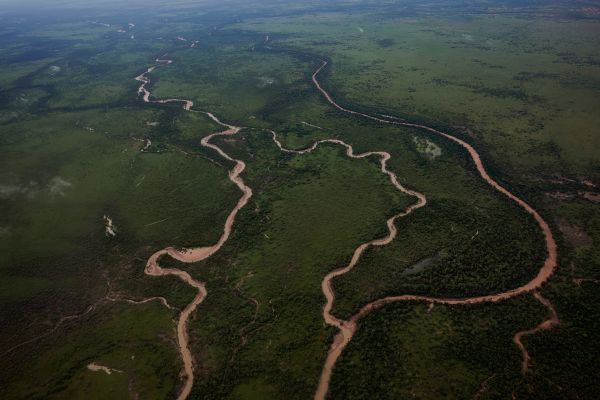
Yoongoorookoo: First Law, legal comparison, and a Martuwarra/Fitzroy River creation story
Early career researcher Dr Erin O’Donnell (Melbourne Law School) will work in partnership with the Traditional Owners of the Martuwarra Fitzroy River, including Nyikina academic Dr Anne Poelina, to map the “First Law” of the river.
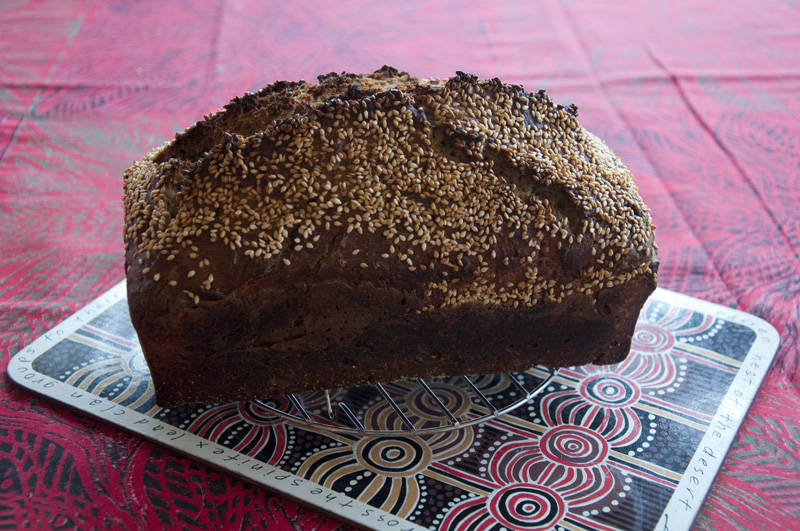
Developing a food safety roadmap for commercialising Cumbungi
Enterprise Professor Bruce Pascoe and Associate Professor Kate Howell (Faculty of Veterinary and Agricultural Sciences) will work with Black Duck Foods to develop a food safety roadmap for commercialising the native Cumbungi plant.
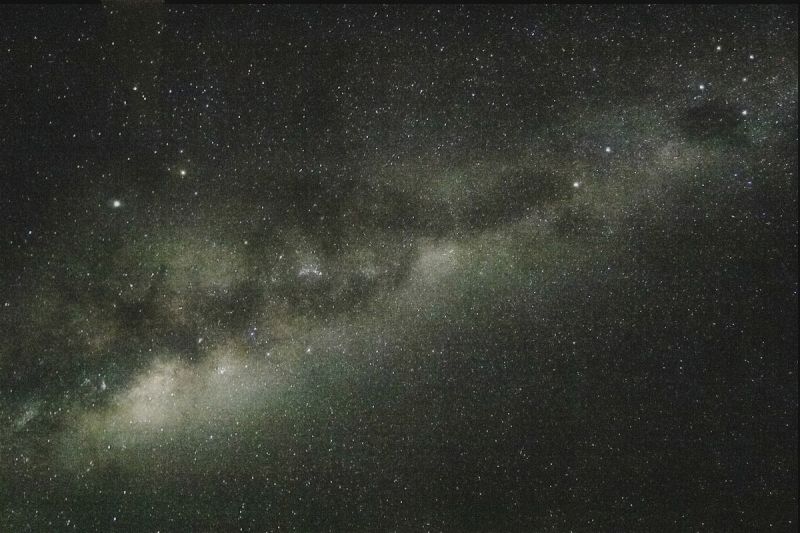
Aboriginal Astronomical Knowledge of the Kulin Nation
Associate Professor Duane Hamacher (School of Physics) will coordinate a project that aims to document the Aboriginal Astronomical Knowledge of the Kulin Nation.
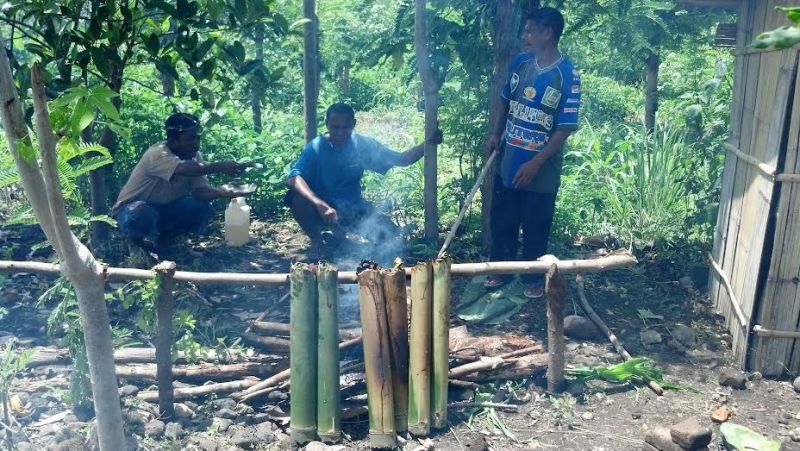
“If you look after nature, the land will look after you”: Indigenous knowledge of medicine and food in Lembata, Eastern Indonesia
Led by Dr Justin Wejak (Asia Institute), the project aims to explore Indigenous storytelling and knowledge practices related to food and medicinal plants on the island of Lembata in Eastern Indonesia. The project will also look at knowledge production and transmission, and the role of gender in Indigenous knowledge practices.